

In the journey toward vibrant, lasting health, quality nutrition is foundational. What we put into our bodies influences everything — from energy levels and hormone balance to immune strength, mood, sleep, and even emotional resilience. For women, whose bodies go through unique hormonal and physiological changes across their lifespan, nutrition becomes not just fuel, but a powerful form of self-care and healing.
When we approach nutrition through a holistic lens, it’s not about fad diets or restriction — it’s about creating balance, sustainability, and nourishment for the mind, body, and soul.
Why Quality Nutrition Matters
A holistic health plan recognises that everything is interconnected — and food is one of the most direct ways we support our entire system.
The benefits of quality nutrition include:
Stabilised blood sugar and energy levels
Hormonal balance (especially important for menstrual, reproductive, and menopausal health)
Improved digestion and gut health
Stronger immunity and reduced inflammation
Better mood, mental clarity, and emotional stability
Healthier skin, hair, and nails
Lower risk of chronic conditions like heart disease, osteoporosis, and diabetes
But not all food nourishes us equally. The key is quality — choosing real, whole foods that provide the body with the nutrients it needs to function optimally.
The Power of Real, Whole Foods
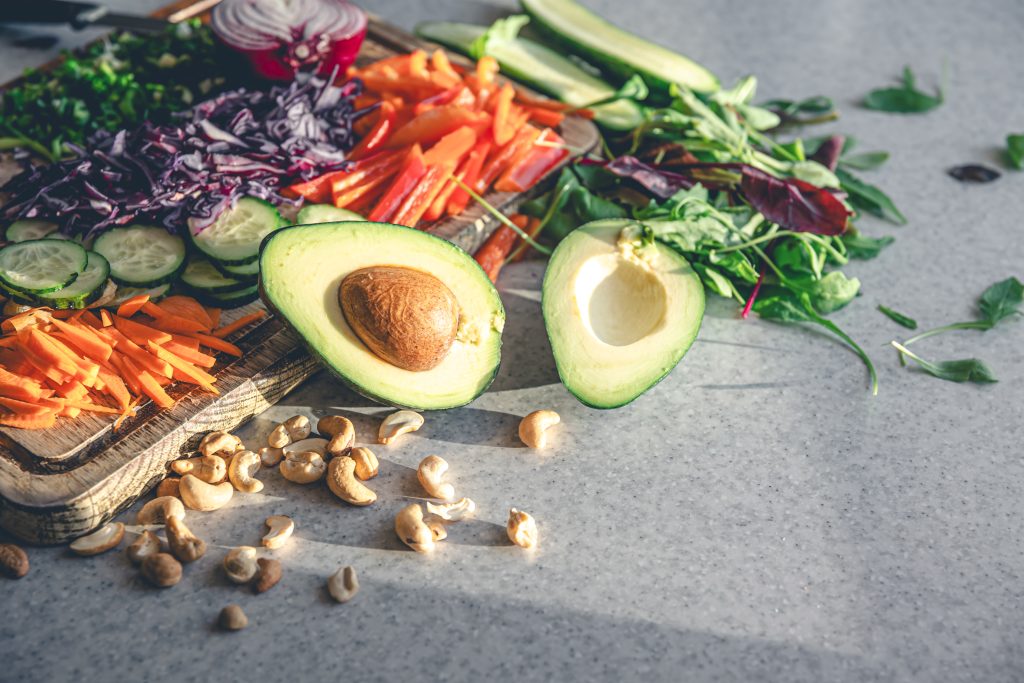
Whole foods are those that are as close to their natural state as possible — think vegetables, fruits, whole grains, legumes, nuts, seeds, quality proteins, and healthy fats.
Why they matter:
They are rich in vitamins, minerals, fibre, and antioxidants
They help balance blood sugar and reduce cravings
They support healthy digestion and gut flora
They are free from artificial additives and processed sugars that stress the body
Whole food nutrition is not about perfection — it’s about prioritising foods that nourish, energise, and ground you.
How Women’s Nutritional Needs Change Over Time
Women’s bodies go through many stages, each with unique nutritional needs.
Adolescence and Early 20s
Focus: Growth, hormonal development, bone density
Key Nutrients: Iron, calcium, protein, B vitamins
Tips: Encourage healthy habits early — prioritise iron-rich foods (especially if menstruating), and include healthy fats for hormone production.
Reproductive Years (20s–40s)
Focus: Fertility, hormonal balance, stress management
Key Nutrients: Omega-3s, magnesium, folate, complex carbohydrates, fibre
Tips: Include hormone-supportive foods like leafy greens, seeds, avocados, and high-quality proteins. Balance meals to reduce PMS and stabilise mood.
Perimenopause & Menopause (40s–60s+)
Focus: Bone health, metabolism, blood sugar balance
Key Nutrients: Vitamin D, calcium, magnesium, phytoestrogens (e.g., flaxseed, tofu), fibre, protein
Tips: Reduce processed sugar and alcohol, increase plant-based foods and strength-building nutrition to maintain muscle and bone density.
Postmenopause & Beyond
Focus: Longevity, digestion, inflammation reduction
Key Nutrients: Antioxidants, omega-3s, probiotics, protein, water
Tips: Support gut health and hydration, prioritise anti-inflammatory foods like berries, olive oil, turmeric, and wild-caught fish.
Common Eating Styles & Their Holistic Benefits
There is no “one-size-fits-all” diet — women’s needs vary based on lifestyle, age, health conditions, and personal preferences. However, many benefit from exploring balanced, intentional ways of eating:
Mediterranean Diet
Focus: Fresh vegetables, fruits, legumes, whole grains, olive oil, fish
Benefits: Heart health, reduced inflammation, longevity
Holistic View: Supports both physical and emotional wellbeing with its focus on natural, seasonal foods.
Plant-Based / Whole Food Diet
Focus: Minimally processed plant foods
Benefits: Gut health, hormone support, sustainable weight balance
Holistic View: Encourages connection to natural rhythms, mindful eating, and environmental care.
Intermittent Fasting (IF)
Focus: Time-restricted eating (e.g., 16:8 method)
Benefits: Improved insulin sensitivity, cellular repair, mental clarity, digestive rest
Holistic View: Gives the body time to reset and repair, but should be approached gently and not during times of high stress, pregnancy, or disordered eating history.
✨ Always consult a qualified health professional before starting any new eating plan, especially if you have underlying health conditions.
Simple Tips for Supporting Nutrition
Eat the rainbow: Include a variety of colourful fruits and vegetables daily
Stay hydrated: Water supports digestion, detoxification, and cognitive function
Prioritise protein: Especially important for hormone regulation, muscle repair, and satiety
Limit processed foods: Especially refined sugars, trans fats, and artificial additives
Practice mindful eating: Slow down, chew thoroughly, and eat with presence
Cook at home: Connects you to your food and increases control over ingredients
Supplement wisely: Where needed, use high-quality supplements to fill nutritional gaps
Final Thoughts: Nourishment is a Form of Self-Respect
Nutrition is more than just calories or fuel — it’s how we care for our inner world, create balance, and support long-term health. For women, honouring changing dietary needs throughout life is an empowering act of self-awareness.
In a holistic health plan, food becomes medicine, connection, and nourishment for body, mind, and soul. By choosing real, whole foods and tuning in to what your body truly needs, you lay the foundation for vitality, clarity, and inner balance — at every stage of life.